AOD-9604 30mg
30mg • 5mL Vial
AOD-9604 is a research peptide fragment commonly discussed in preclinical and in-vitro studies focused on metabolic signaling and lipolysis-related pathways in controlled models. For laboratory research only.

All products and information on this site are supplied strictly for laboratory and research purposes. Nothing here is intended for human consumption, diagnosis, treatment, or medical use.
You must be 21 years of age or older to enter.

Showing all 39 results

AOD-9604 is a research peptide fragment commonly discussed in preclinical and in-vitro studies focused on metabolic signaling and lipolysis-related pathways in controlled models. For laboratory research only.

ARA-290, also known as cibinetide, is a synthetic peptide studied for its interaction with the innate repair receptor (IRR), a receptor complex involved in tissue protection and repair signaling. Research has examined its potential effects on inflammation, nerve function, tissue recovery, and neuropathic discomfort.
Unlike full erythropoietin (EPO), ARA-290 has been designed to activate tissue-protective pathways without stimulating red blood cell production, making it a compound of interest in neuroprotection, regenerative signaling, and inflammatory research.

BPC-157 is a synthetic peptide explored for its role in cellular modeling and signaling pathways within controlled research environments. Minimal structure. Precise investigative utility.

MOD-GRF (1-29) / CJC-1295 (No DAC) offers a focused tool for researchers studying pathways related to growth-hormone–adjacent signaling and peptide stability. A minimal, precise sequence designed for controlled in-vitro exploration.

DSIP, or Delta Sleep-Inducing Peptide, is a synthetic nonapeptide with the sequence Trp-Ala-Gly-Gly-Asp-Ala-Ser-Gly-Glu. It is supplied for controlled laboratory research involving sleep-wake signaling, circadian biology, and neuroendocrine pathways.
Research Studies
For laboratory research only.

Epithalon is a synthetic research peptide studied in preclinical and in-vitro models involving age-associated gene expression, telomere regulation, and cellular longevity pathways.
For laboratory research only. Not for human or animal use.

GHK-Cu is a copper-binding research peptide studied in preclinical and in-vitro models involving cellular signaling, extracellular matrix activity, and gene-expression pathways associated with tissue response.
Research Studies
For laboratory research only.

The BPC-157 + TB-500 + GHK-Cu Blend combines three peptides often examined for their roles in structural signaling, cellular modeling, and surface-level pathway interactions. Precise sequences. Clear investigative utility for controlled research environments.

GLP-2/T is a research peptide commonly referenced in preclinical models exploring incretin-linked signaling and metabolic pathway behavior in controlled settings.

GLP-3/R is an advanced research peptide often used in studies exploring multi-pathway metabolic signaling. It’s commonly discussed in lab settings focused on appetite and energy-balance frameworks. For laboratory research only.

Glutathione is a naturally occurring tripeptide supplied for controlled laboratory research involving redox balance, oxidative-stress pathways, cellular metabolism, and biochemical detoxification mechanisms.
Research Studies
For laboratory research only.

IGF-1 LR3 is a modified research peptide studied in preclinical and in-vitro models involving growth-factor signaling, cellular proliferation, and metabolic pathway activity. Its extended molecular structure is also examined in comparative studies with standard IGF-1.
Research Studies
For laboratory research only.

Kisspeptin is a naturally occurring signaling peptide studied for its role in regulating the hypothalamic-pituitary-gonadal (HPG) axis. By activating GPR54 receptors on GnRH-producing neurons, kisspeptin helps initiate the release of GnRH, which in turn stimulates luteinizing hormone (LH) and follicle-stimulating hormone (FSH).
Research has explored kisspeptin for its potential role in reproductive hormone signaling, fertility, ovulation, and the regulation of endogenous sex hormone production. Its upstream mechanism makes it an important peptide of interest in studies involving reproductive physiology and neuroendocrine signaling.

KLOW is an 80mg multi-compound research blend containing TB-500 10mg, BPC-157 10mg, KPV 10mg, and GHK-Cu 50mg. Supplied as a lyophilized powder for controlled laboratory investigation of peptide interactions, cellular signaling, extracellular matrix pathways, and multi-compound analytical characterization.
Research Studies
For laboratory research only.

KPV is a synthetic tripeptide composed of lysine, proline, and valine. Derived from the C-terminal region of alpha-melanocyte-stimulating hormone, it is supplied for controlled laboratory research involving inflammatory signaling, immune-cell activity, and melanocortin-associated pathways.
Research Studies
For laboratory research only.

MOTS-C is a mitochondrial-derived research peptide often discussed in studies exploring cellular energy and metabolic signaling in controlled models. Built for structured laboratory investigation. For laboratory research only.
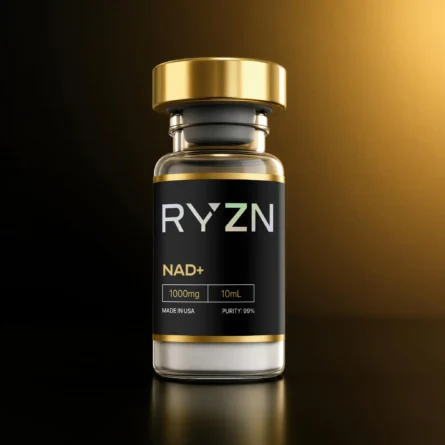
NAD+ (Nicotinamide Adenine Dinucleotide) is a foundational research compound widely used in lab work involving cellular energy systems and redox chemistry. Commonly referenced in studies exploring metabolism, DNA-repair pathways, and cellular signaling. For laboratory research only.

PT-141 is a synthetic melanocortin research peptide supplied at 10 mg/mL in a 5 mL format. It is studied in controlled laboratory models involving melanocortin-receptor activity, central signaling, and neurobehavioral pathways.
Research Studies
For laboratory research only.

The BPC-157 + TB-500 Blend brings together two peptides frequently examined for their roles in cellular organization and structural pathway modeling. Focused sequences. Clear investigational value for controlled research environments.

Selank is a synthetic heptapeptide derived from the naturally occurring tuftsin sequence. It has been studied for its potential effects on anxiety-related measures, neurochemical signaling, EEG activity, and functional brain connectivity.
Human research has explored Selank primarily through intranasal administration, with particular interest in its influence on stress-response pathways, emotional regulation, and neurological signaling.

Semax is a synthetic heptapeptide derived from the ACTH(4-10) amino acid sequence and designed without the hormonal activity associated with full-length ACTH. It has been studied for its potential effects on neurotrophic signaling, cognitive function, attention, memory, and neurological resilience.
Research on Semax has focused on its interaction with pathways involved in neuronal signaling and brain function, making it a compound of interest in cognitive and neurological research.

SS-31 is a research material supplied for controlled laboratory workflows, compound characterization, and analytical documentation review.
Research Studies
For laboratory research only. Not for human or animal use.

TB-500 is a fragment of Thymosin Beta-4 studied for its role in actin-related pathways and cellular modeling within controlled research environments. Focused structure. Clear investigative potential.

Tesamorelin is a GHRH analog studied for its precise engagement with growth-hormone–related pathways in controlled research environments. Focused structure. Clear investigative utility.

Tesamorelin + Ipamorelin combines two peptides that stimulate growth hormone (GH) signaling through complementary pathways. Tesamorelin is a synthetic GHRH analog that promotes pituitary GH release, while Ipamorelin is a selective ghrelin receptor agonist that stimulates GH secretion through the GHS-R1a receptor.
Research on this combination is centered on pulsatile GH release, IGF-1 signaling, body-composition pathways, metabolic function, recovery, and endocrine physiology.

Thymosin Alpha-1 is a synthetic 28-amino acid research peptide studied in preclinical and in-vitro models involving immune-cell signaling, thymic pathways, and cytokine regulation.
Research Studies
For laboratory research only.

5-Amino-1MQ is a small-molecule compound studied in preclinical settings for its interaction with NNMT-related pathways and cellular metabolism models. Precision-focused. Structured for laboratory research.
For laboratory research only.

BPC-157 (Body Protection Compound-157) is a naturally derived research peptide that has been studied for its potential role in supporting cellular repair and maintaining a healthy gastrointestinal environment. Early research suggests it may help promote tissue recovery and reduce localized inflammation through modulation of growth and repair pathways. Oral formulations are being explored for stability and systemic effects related to gut integrity and overall wellness.

Dihexa is a peptide-derived research compound studied in preclinical and in-vitro models for its relationship to HGF/c-Met signaling and synaptic-pathway investigation. Built for controlled laboratory research. Preclinical research studies have shown that Dihexa can significantly improve memory consolidation and reverse cognitive deficits in models of Alzheimer’s disease, traumatic brain injury, and stroke.

SLU-PP-332 is an experimental research compound explored in preclinical models focused on energy-regulation and metabolic signaling. Often referenced in studies evaluating exercise-mimetic pathway activity in controlled settings.

Tesofensine is a small-molecule research compound studied for its interactions with monoaminergic neurotransmitter systems (serotonin, norepinephrine, and dopamine) in controlled models. It’s commonly explored in research examining appetite- and energy-balance signaling pathways.
 Coming Soon
Semax + Selank is a dual-peptide research blend supplied in a nasal-spray format for controlled laboratory studies involving regulatory peptide activity, neurotransmission, gene expression, and neural-signaling pathways.
Research Studies
For laboratory research only.
 Coming Soon
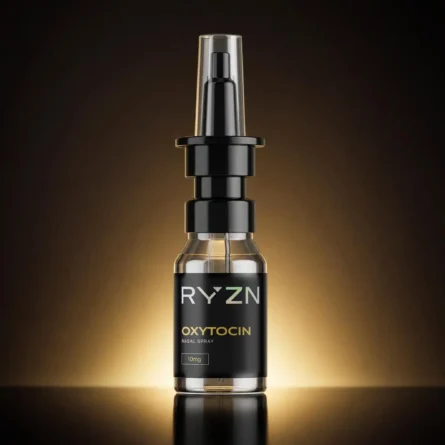
Oxytocin is a synthetic research peptide supplied for controlled laboratory studies involving oxytocin-receptor signaling, neuroendocrine activity, and social-behavior pathways.
Research Studies
For laboratory research only.
 Coming Soon
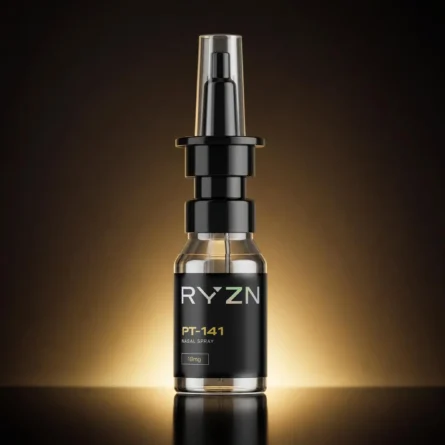
PT-141 is a synthetic melanocortin research peptide supplied at 10 mg/mL in a 5 mL format. It is studied in controlled laboratory models involving melanocortin-receptor activity, central signaling, and neurobehavioral pathways.
Research Studies
For laboratory research only.
 Coming Soon
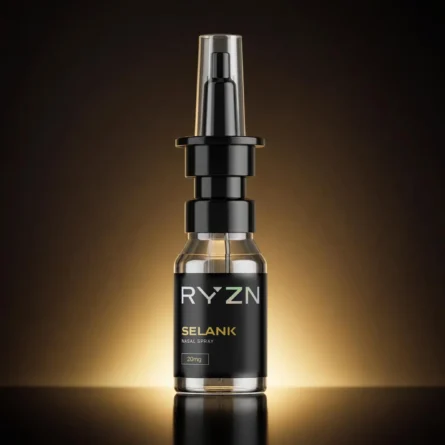
Selank is a synthetic heptapeptide supplied for controlled laboratory research involving neurochemical signaling, gene-expression activity, and regulatory peptide pathways.
Research Studies
For laboratory research only.
 Coming Soon
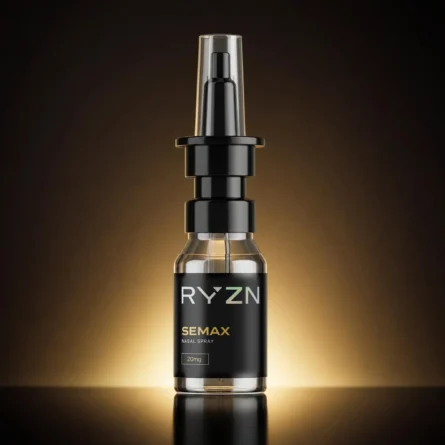
Semax is a synthetic heptapeptide supplied for controlled laboratory research involving neurochemical signaling, gene-expression activity, and regulatory peptide pathways.
Research Studies
For laboratory research only.
 Coming Soon
Acetic Acid Solution is designed for controlled laboratory workflows involving AOD-9604. Formulated with distilled water, glycerine, benzyl alcohol, and acetic acid.
For laboratory research only.

Bacteriostatic Reconstitution Solution is a sterile laboratory solution formulated with distilled water and 0.9% benzyl alcohol. Designed for controlled reconstitution workflows involving a broad range of research peptides.
For laboratory research only.
 Coming Soon
NO STING is a 10 mL glycerol-enhanced bacteriostatic solution formulated for controlled laboratory dilution and reconstitution workflows. Contains sodium chloride, glycerine, and 0.9% benzyl alcohol.
For laboratory research only. Not for human or animal use.
This reconstitution Solution is made for the following peptides: NAD+, GHK-CU, GLOW, KLOW.
Concentration:
95.2% Distilled Water
3% Glycerine
0.9% Benzyl Alcohol
0.9% Sodium Chloride
No products in the cart.