All products and information on this site are supplied strictly for laboratory and research purposes. Nothing here is intended for human consumption, diagnosis, treatment, or medical use.
Your choice is saved in a functional cookie for 30 days so you won't be asked again — it stores no tracking or advertising data. Declining will take you to google.com.
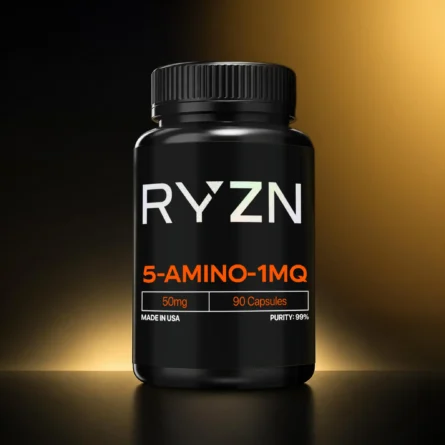
5-Amino-1MQ is a small-molecule compound studied in preclinical settings for its interaction with NNMT-related pathways and cellular metabolism models. Precision-focused. Structured for laboratory research.
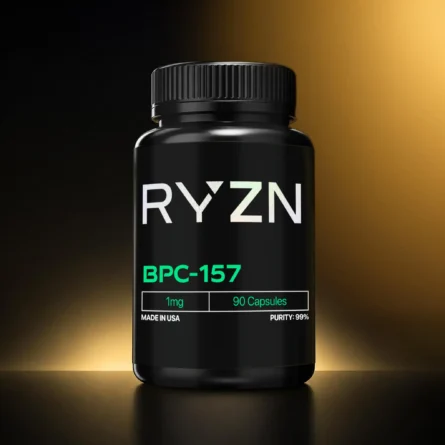
BPC-157 (Body Protection Compound-157) is a naturally derived research peptide that has been studied for its potential role in supporting cellular repair and maintaining a healthy gastrointestinal environment. Early research suggests it may help promote tissue recovery and reduce localized inflammation through modulation of growth and repair pathways. Oral formulations are being explored for stability and systemic effects related to gut integrity and overall wellness.
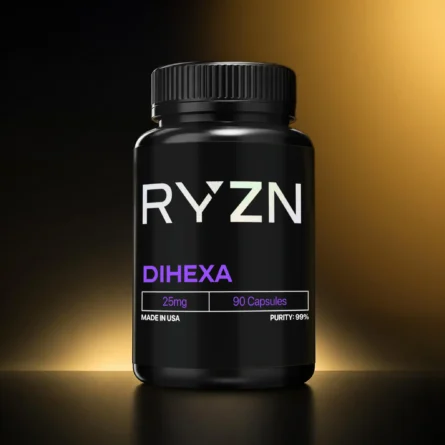
Dihexa is a peptide-derived research compound studied in preclinical and in-vitro models for its relationship to HGF/c-Met signaling and synaptic-pathway investigation. Built for controlled laboratory research. Preclinical research studies have shown that Dihexa can significantly improve memory consolidation and reverse cognitive deficits in models of Alzheimer’s disease, traumatic brain injury, and stroke.
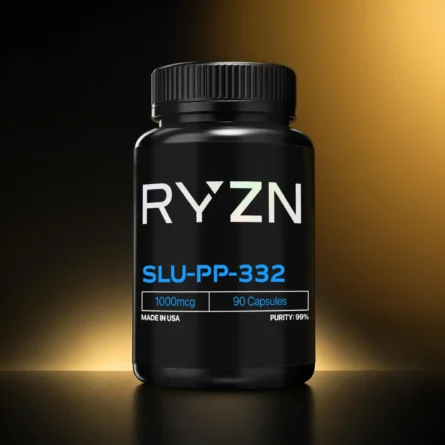
SLU-PP-332 is an experimental research compound explored in preclinical models focused on energy-regulation and metabolic signaling. Often referenced in studies evaluating exercise-mimetic pathway activity in controlled settings.
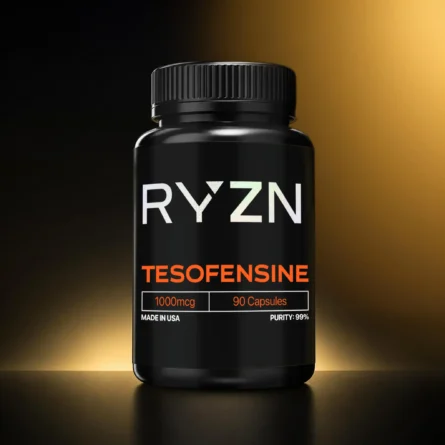
Tesofensine is a small-molecule research compound studied for its interactions with monoaminergic neurotransmitter systems (serotonin, norepinephrine, and dopamine) in controlled models. It’s commonly explored in research examining appetite- and energy-balance signaling pathways.