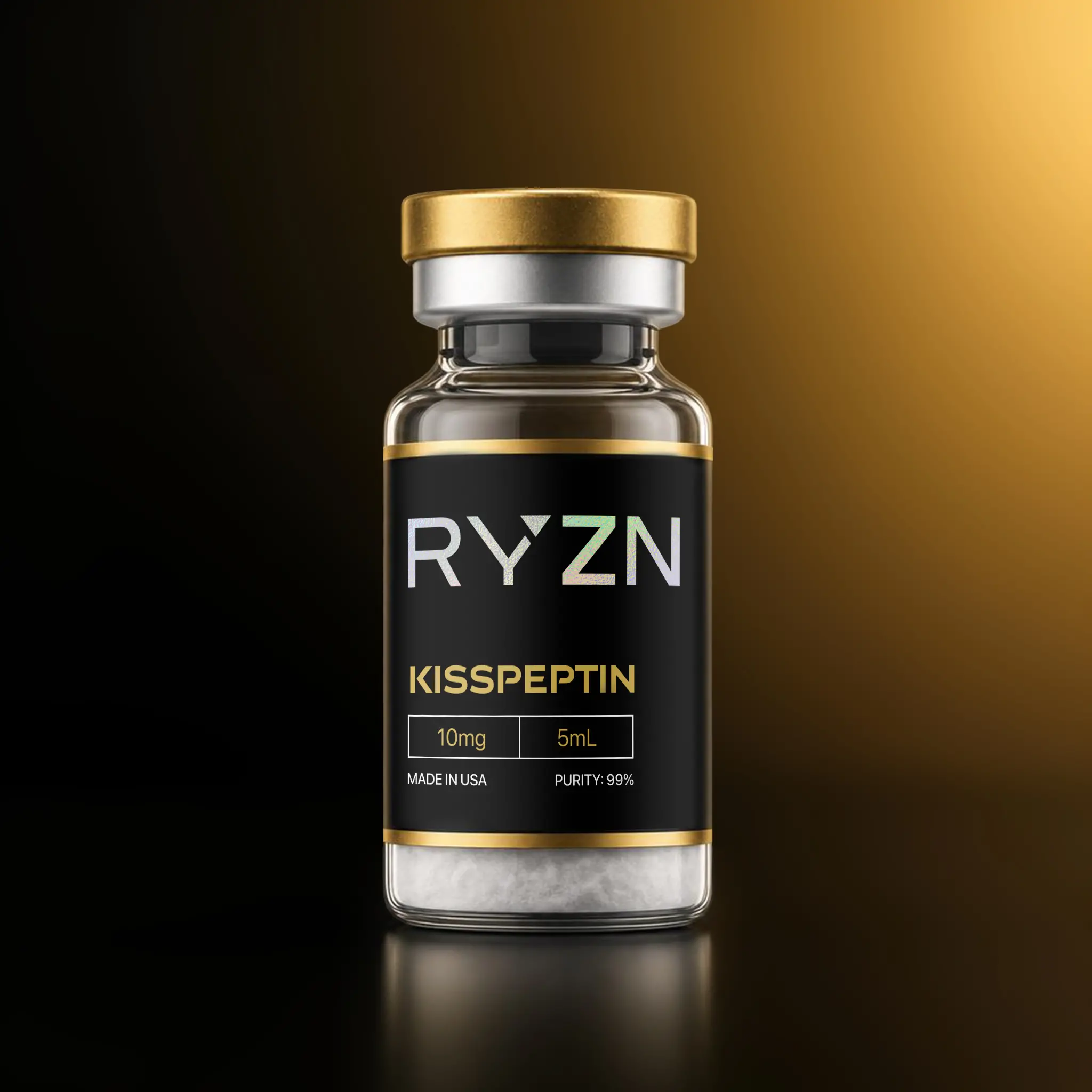
Kisspeptin 10mg
Kisspeptin is a naturally occurring signaling peptide studied for its role in regulating the hypothalamic-pituitary-gonadal (HPG) axis. By activating GPR54 receptors on GnRH-producing neurons, kisspeptin helps initiate the release of GnRH, which in turn stimulates luteinizing hormone (LH) and follicle-stimulating hormone (FSH).
Research has explored kisspeptin for its potential role in reproductive hormone signaling, fertility, ovulation, and the regulation of endogenous sex hormone production. Its upstream mechanism makes it an important peptide of interest in studies involving reproductive physiology and neuroendocrine signaling.
Wholesale access
Apply for Wholesale AccessPricing is quoted per order under our at-will wholesale model — based on the products and volumes you need. Apply for partner access to request a quote.
Kisspeptin is a naturally occurring peptide that plays a central role in regulating reproductive hormone signaling through the hypothalamic-pituitary-gonadal (HPG) axis. It acts as an upstream signal in the reproductive hormone cascade, making it an important area of study in reproductive endocrinology and neuroendocrine research.
How Kisspeptin Works
Kisspeptin binds to kisspeptin receptors, also known as GPR54 or KISS1R, located on gonadotropin-releasing hormone (GnRH) neurons within the hypothalamus.
Activation of these receptors stimulates the release of GnRH. GnRH then signals the anterior pituitary gland to release two key reproductive hormones:
- Luteinizing Hormone (LH)
- Follicle-Stimulating Hormone (FSH)
LH and FSH subsequently act on the gonads, where they help regulate sex hormone production, reproductive function, and gametogenesis.
Because kisspeptin acts upstream of GnRH, its effects depend on the body’s existing GnRH signaling pathway. This mechanism has made kisspeptin especially interesting to researchers studying physiological regulation of the reproductive endocrine system.
Areas of Kisspeptin Research
Kisspeptin has been studied across several areas of reproductive and neuroendocrine research, including endogenous hormone signaling, fertility, reproductive function, and assisted reproduction.
Endogenous Hormone Signaling
Kisspeptin has been studied for its ability to stimulate the body’s own reproductive hormone signaling through the GnRH-LH/FSH pathway. Researchers have investigated its influence on endogenous testosterone, estrogen, and other sex-hormone responses.
Reproductive Function
Research has examined kisspeptin’s role in supporting normal GnRH and LH pulsatility, particularly in research models involving suppressed hypothalamic reproductive signaling.
Fertility Research
Because kisspeptin is a key regulator of reproductive hormone release, it has become an important research target in studies involving fertility, menstrual function, spermatogenesis, and reproductive endocrinology.
Ovulation and IVF Research
Kisspeptin has also been investigated as a potential trigger for the LH surge involved in final oocyte maturation. Clinical research has explored its role in assisted-reproduction settings, including its relationship to ovarian stimulation and ovulation signaling.
Key Research Characteristics
- Activates the KISS1R/GPR54 receptor
- Stimulates endogenous GnRH release
- Promotes downstream LH and FSH signaling
- Plays a central role in the HPG axis
- Studied in male and female reproductive physiology
- Investigated in fertility and assisted-reproduction research
- Supports research into endogenous sex-hormone regulation
Lifestyle and Reproductive Hormone Signaling
Reproductive hormone function is influenced by numerous physiological and lifestyle variables. Nutrition, body composition, sleep, stress, energy availability, and overall metabolic health can all affect HPG-axis signaling.
These factors are frequently considered when evaluating reproductive hormone responses in research involving kisspeptin and related neuroendocrine pathways.
Kisspeptin continues to attract research interest because of its unique position near the top of the reproductive hormone signaling cascade. Its ability to activate the body’s native GnRH pathway makes it a valuable research compound for studying reproductive endocrinology, fertility signaling, and HPG-axis regulation.
| Goal | |
|---|---|
| Strength | 10mg |
| Featured | |
| Count/Size | 5mL Vial |